

Dutch Gambling Market Falls to €4.1 Billion in 2025 as Online Revenue Shows Signs of Recovery.

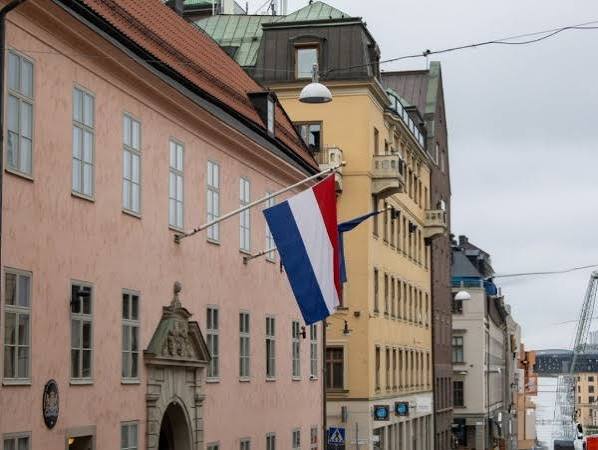
The Netherlands’ licensed gambling market recorded a decline in 2025, with gross gaming revenue (GGR) falling to €4.1 billion from €4.5 billion in 2024, according to the latest annual market report from the Dutch Gambling Authority (Kansspelautoriteit – Ksa).
The regulator released its annual market scan on 29 October 2026, alongside its monitoring report covering the first half of 2026.
Despite the annual decline, the online gambling sector has shown signs of recovery. Licensed online GGR increased to €670 million in the first six months of 2026, compared with €602 million recorded in the second half of 2025.
Online Gambling Revenue Records Significant Decline
Online gambling accounted for most of the market’s decline in 2025. Total online GGR dropped by 21%, falling from €1.52 billion in 2024 to €1.20 billion.


Online casino revenue decreased by 18.2%, from €1.16 billion to €947 million. Sports betting also experienced a significant downturn, with revenue declining by 30.2%, representing a reduction of approximately €110 million.
The Ksa partly attributes the decline to stricter player protection measures introduced on 1 October 2024. These included net deposit limits, which may have encouraged some Dutch players to turn to unlicensed offshore gambling platforms.
The regulator also highlighted the impact of the Euro 2024 football tournament, which boosted sports betting revenue in the previous year’s figures.
Read Also : Dutch Gambling Regulator Works With Google on EU-Wide List to Curb Illegal Casino Ads.
Other contributing factors included higher gambling taxes and restrictions on gambling sponsorships. The tax rate increased from 30.5% to 34.2% during 2025, while licensed online operators faced restrictions on sponsoring sports clubs, events and athletes.
The gambling tax rate increased further to 37.8% on 1 January 2026.
Holland Casino Supports Land-Based Gambling Revenue
Land-based gambling operators performed better than their online counterparts during 2025.
State-owned Holland Casino recorded a 2.8% increase in GGR, rising from €664 million in 2024 to €683 million in 2025. According to the Ksa, slot machines were the main contributor to this growth, outperforming table games.
Meanwhile, gaming machines in arcades and hospitality venues recorded declines.
Arcade revenue fell by 4.7%, from €562 million to €539 million. Revenue from gaming machines in hospitality establishments also decreased, dropping from €113 million to €104 million.
The number of gambling arcades declined slightly, from 197 at the end of 2024 to 194 a year later. This was a smaller reduction compared with the 23 closures recorded in the previous year.
Lottery revenue also experienced a 1.8% decline.
Online Gambling Revenue Recovers in 2026
The first half of 2026 brought encouraging signs for the regulated online gambling market.
Licensed online operators generated €670 million in GGR, compared with €602 million in the second half of 2025. The Ksa noted that the men’s FIFA World Cup in June may have contributed to the increase.
The recovery suggests that the online gambling market could be stabilising following the significant revenue losses recorded in 2025.
Number of Active Gambling Accounts Increases
The Ksa also reported an increase in active accounts across licensed online gambling operators.
Active accounts rose to 1.48 million in the first half of 2026, up from 1.38 million in the previous six-month period.
However, the number of individual online gamblers remained relatively stable. The regulator estimates that approximately 490,000 people gamble online in a typical month, while around 820,000 participated at least once during the first half of 2026.
According to the Ksa, the increase in active accounts could be linked to the World Cup. It may also indicate that some players are opening multiple accounts to navigate individual deposit restrictions.
The regulator estimates that approximately 94% of online gamblers use licensed operators exclusively. Meanwhile, the channelisation rate measured by GGR improved from 54% to 59%.
The difference between player participation and revenue channelisation suggests that unlicensed operators account for a disproportionately high share of gambling losses.
Ipsos research cited in the report also found that 65% of online gamblers showed no signs of gambling-related problems, unchanged from 2025.
As the Netherlands continues implementing its five-year online gambling licensing framework, the first licence renewals are now underway.