

PlayCity Ukraine Granted 250 Licences in First Year Under New Regulatory Authority

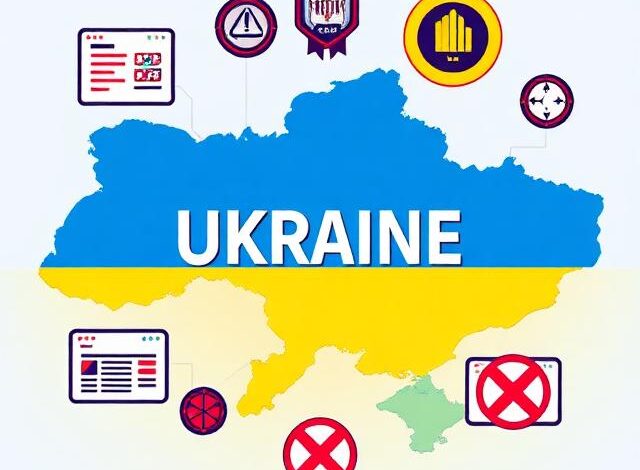
Ukraine’s gambling regulator, PlayCity, in cooperation with the Ministry of Digital Transformation, has completed its first year of operations, reporting notable progress in licensing, revenue collection, and enforcement efforts.
The report, published Monday, is the first since PlayCity succeeded KRAIL as the country’s official gambling authority. Over the past year, PlayCity issued a total of 250 licences, generating over ₴569 million ($12.8 million) in fees paid directly to the state budget.
The breakdown includes 11 licences to gambling operators, three to lottery operators, and 213 to gaming equipment suppliers. The lottery operators contributed around ₴72 million ($1.62 million), a significant figure considering the market had been suspended for more than a decade. In the first quarter of 2026 alone, tax revenues from licensed lottery operators exceeded ₴74 million.
Meanwhile, tax revenues from gambling operators reached an estimated ₴14 billion, complemented by approximately ₴2 billion collected in personal income tax related to the sector.
A major focus has been enforcement against illegal gambling activities. PlayCity reported imposing fines exceeding ₴988 million on illicit operators, along with about ₴80 million in penalties for breaches of advertising rules. In response, the regulator launched an online complaints system last month to streamline public reporting of illegal gambling ads. Illegal advertisements are now subject to removal, account blocking, or hefty fines, with the statutory fine set at ₴5,188,200 for 2026.



The agency also blocked over 4,100 illegal gambling websites and more than 700 social media accounts linked to unlicensed gambling ads. Notably, the response time for website blocking has been reduced to as little as a day.
In addition, PlayCity reported a 100% compliance rate after reinstating mandatory reporting from operators, including lottery companies, which are now required to submit reports. The regulator conducted seven planned and four unplanned inspections in 2026, with ongoing efforts to centralize data through gambling registers for operators and equipment.
A key achievement was the rollout of the State Online Gambling Monitoring system (DSOM), connected to 11 operators. DSOM is a centralized platform that captures betting activities in near-real time, recording payouts, returns, and bets. Gennedy Novikov, head of PlayCity, explained, “This year was about creating infrastructure that the state actually did not have. We are building data-driven regulation – a model in which decisions are made based on data. For such a dynamic market, this is critical. The state should not catch up with problems, but see risks before they become a crisis.”
Read also: ICONIC21 takes live casino portfolio live with Novibet across nine markets
Additionally, the regulator launched a digital licensing pathway via the Diia portal, simplifying permit issuance. Updated licensing terms now follow open competitions, promoting transparency and market competitiveness.
Protecting players from gambling-related harm was another priority. PlayCity responded to over 3,000 requests for gambling restrictions in 2026 and established a register of individuals with gaming addiction. In partnership with the Ministry of Digital Economy, it introduced financial and time limits on gambling activities.
Furthermore, measures were taken to prevent military personnel from gambling. Automated systems monitor log-in attempts and cross-check against military rosters, automatically blocking access if a match is found.
Research initiatives into gambling’s social impacts are underway to inform future policies. The agency also issued ten regulatory orders covering permits, reporting, player identification, and equipment rules, alongside draft amendments to key laws now submitted to Parliament.
Looking ahead, PlayCity plans to expand DSOM’s scope and integrate the military register with its restricted-access database. The agency aims to renew online lottery controls, implement risk-based supervision, and finalize legal reforms. The upcoming legislative ratification and full operational deployment of DSOM are expected to tighten oversight and curb illegal gambling and advertising. For industry stakeholders, the trajectory indicates a more regulated, digital-focused gambling environment with significant compliance obligations and opportunities for market growth. PlayCity 250 Licences