


Half of the UK Population Gambled Recently, with Lotteries as the Top Choice and Bingo Remaining Popular

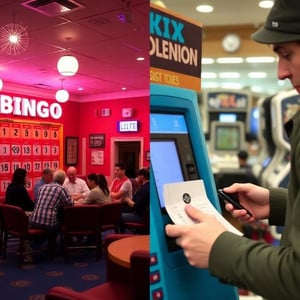
Recent findings from the Gambling Commission reveal that nearly half of adults in Great Britain have engaged in some form of gambling within the past month. This data highlights the enduring popularity of the National Lotteries and the resilience of in-person bingo, despite shifting trends in the gambling landscape. UK Lotteries and Bingo
The latest survey, conducted by the National Centre for Social Research, indicates that 48% of adults aged 18 and over participated in gambling activities between June 30 and October 31, 2025. The sample of 5,883 adults reflects the broader population’s habits, and the figures remain consistent with the previous wave from earlier in the year, suggesting a stabilization in participation rates.
A closer look shows that when exclusive lottery players are excluded, the overall gambling participation drops to 27%. Specifically, 21% of adults report playing only lottery or charity lottery draws in the past four weeks. This underscores the dominant position of lottery products within the UK gambling market. The National Lottery, operating since 1994, continues to attract substantial participation, driven by low entry costs and large jackpots, even though the odds of winning the Lotto jackpot are about 1 in 45 million, according to Allwyn.
The survey also highlights that 26% of adults purchased National Lottery tickets online recently, while 16% bought tickets in physical shops. Charity lotteries also enjoy a solid user base, with 15% participating online and 5% in person. These distinctions are important for regulators and industry players, as lottery products tend to involve lower stakes and different risk profiles compared to betting and casino games.
Gambling habits vary by demographic factors. Men are more likely than women to gamble overall, at 52% versus 45%. Participation peaks among those aged 45 to 64, with rates between 55% and 56%. When lottery players are excluded, younger adults, particularly those aged 25 to 34, emerge as the most active demographic, with a 35% participation rate.




Beyond lotteries, the most common gambling activities include scratchcards (12%), betting (10%), and online instant win games (7%). Men are significantly more engaged in betting, with 16% participating compared to just 4% of women. Participation in horse race betting has decreased to 4%, aligning with pre-pandemic levels after a spike during major racing events.
Online gambling remains prevalent, with 39% of adults reporting participation in the past four weeks. Removing lottery-only players reduces this figure to 16%, consistent with last year’s data. Sports betting online or via apps is reported by 8%. Meanwhile, in-person gambling activities are still present but at lower levels, with 28% of adults gambling face-to-face, dropping to 17% when lottery-only players are excluded. UK Lotteries and Bingo
Bingo, often stereotyped as a pastime for older generations, continues to thrive in Britain’s land-based gambling scene. About 3% of adults played bingo at a venue recently, a figure matched by in-person sports betting. The social aspect and long-standing tradition of bingo help maintain its steady presence.
Peter Woolley of Palace Bingo emphasizes the evolving demographic landscape: “Our age range in my two clubs is anywhere between 18 and 108,” he explains. Younger players are attracted by technology like electronic tablets, and families often participate together, sometimes spanning three or four generations. Woolley notes that despite challenges like the smoking ban, COVID-19, and the rise of digital gambling, bingo has consistently adapted and endured, facing each obstacle with resilience.
Read also: RubyPlay and Codere Online join forces to elevate gaming offering in Mexico
Motivations for gambling remain largely consistent. The primary reasons cited include the chance to win big and the enjoyment of the activity itself. Interestingly, among younger adults aged 18 to 24, the desire for fun has overtaken financial gain as the main motivation. Survey respondents generally have positive feelings about their gambling experiences. About 42% felt good about their last gambling session, while 35% felt neutral
The Gambling Survey serves as the main official source of gambling data in Great Britain. However, the regulator cautions that recent methodological changes mean the figures are not directly comparable with older surveys. Results are estimates with a 95% confidence interval, and detailed methodology is available in the full report. The next update is scheduled for June 4, 2026, covering data from October 2025 to January 2026. Overall, the survey paints a picture of a market still heavily influenced by the National Lottery, with consistent online engagement and modest but steady participation in traditional venues like bingo halls. UK Lotteries and Bingo