


The Estonian parliament has recently sanctioned a legislative update to the Gambling Tax Act, targeting a technical correction to enhance clarity in the law. This amendment specifies that starting March 1, 2026, both remote chance-based games and skill-based games will be taxed under a unified framework, impacting the Estonia Gambling Tax regulations.
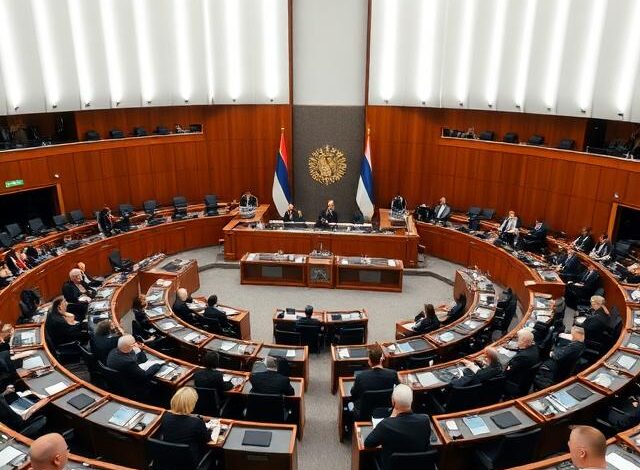
The Riigikogu, Estonia’s legislative body, passed a modification proposed by MP Tanel Tein, aimed at rectifying a technical oversight that previously caused confusion over how different remote gambling activities are taxed. The new regulation ensures that remote games of chance and skill are now subject to the same tax rules, promoting consistency across the industry and aligning with the Estonia Gambling Tax framework.
Official statements from lawmakers indicate that this revision aims to bolster legal certainty for gambling operators as well as the tax authorities. The bill garnered strong support, passing with 52 votes in favor and only one against, and now advances to the formal legislative process for enactment.
The parliamentary Finance Committee recommended a revised effective date for the amendment, setting it to begin on March 1, 2026. This timing aligns with Estonia’s practice of applying gambling taxes on a monthly basis, facilitating a smooth transition.



By choosing the start of a new month, legislators seek to minimize administrative disruptions, ensuring that the transition aligns seamlessly with existing operational systems used by both market players and tax officials. This procedural adjustment is seen as a way to ensure continuity without altering the substance of the law.
This legislative correction is linked to a previous reform passed on December 3, which aimed to boost funding for cultural and sporting initiatives through gambling tax revenues. That earlier change, effective from January 1, inadvertently created disparities in how certain remote gambling categories were taxed under the Estonia Gambling Tax.
The new amendment restores a consistent tax approach across all relevant game types, emphasizing uniformity. Lawmakers stress that the swift implementation in March will reaffirm the application of a single, clear tax rate—serving as a corrective measure rather than a modification of the Estonia Gambling Tax policy.
Read also: GR8 Tech Launches “Tinder-Style” Swiping for iGaming
During parliamentary discussions, representatives from various political factions expressed support for the amendment, highlighting its role in maintaining a stable and predictable tax environment for the gambling sector.
By resolving the previous ambiguity, the legislation aims to offer clearer guidance for operators and regulators alike. It also underlines the government’s commitment to aligning gambling tax policies with broader public funding objectives.
Officials emphasized that this correction enhances administrative clarity without altering the overall strategic direction of Estonia’s gambling regulation. Once enacted, the new framework will become effective at the start of March 2026, ensuring a consistent approach under the Estonia Gambling Tax.