


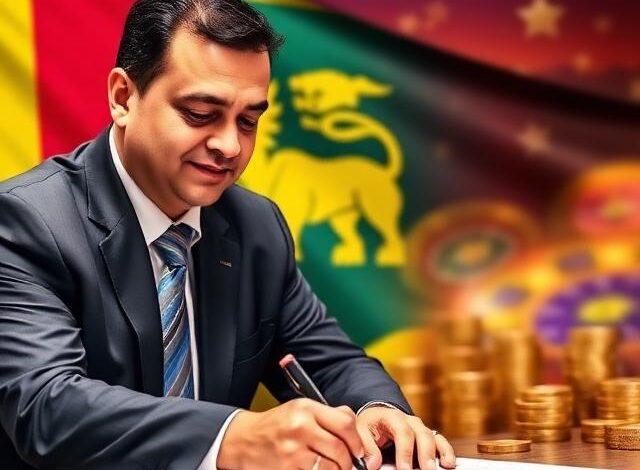
On January 5, 2026, Sri Lanka announced a hike in its casino entry charges and gaming taxes. As per the new legislation that came into effect on January 1, residents of Sri Lanka will now need to pay US$100 to access casinos or gaming halls within the country. This fee has doubled from the previous rate of $50.
Furthermore, the parliament raised the gaming tax from 15% to 18% last year for operators, including bookmakers, who report monthly gross revenues exceeding Rs 1 million (approximately $3,226). According to the Inland Revenue Department, all such operators are “shall collect a CEL [Casino Entry Levy] of $100 or its equivalent in any other convertible foreign currency or in Sri Lankan currency from a Sri Lankan citizen who enters into such a place of business.”
The recent rate adjustments, introduced in May 2025 and enacted in December, modify the Betting and Gaming Levy Act of 1988.
These tax hikes could be viewed as an indication of confidence in the gaming industry, which is forecasted to generate $410 million in revenue for 2026, up from $240 million in 2020. The Daily Mirror highlights that gaming “has been identified as a key area for enhanced fiscal contribution” as the government aims to expand its tax base. Industry experts project a compound annual growth rate of 5.4% through 2031.
One prominent example of this growth potential is City of Dreams Sri Lanka, which opened last year in Colombo. The integrated resort, a collaboration between John Keells Holding and Melco Resorts International, targets visitors from India, China, Southeast Asia, and the Middle East—regions accessible within four hours by air. Reuters reports that Sri Lanka aims to attract three million tourists this year, representing a 27% increase from 2025. Melco’s Chairman and CEO Lawrence Ho described City of Dreams as “a symbol of possibility and a celebration of Sri Lanka’s potential as a world-class destination,” and expressed optimism that Sri Lanka “can be to India what Macau is to China.” To regulate this expanding industry, Sri Lanka plans to establish its first Gambling Regulatory Authority by June 30.
Read also: New Year, New Slot: Pragmatic Play Launches Joker’s Jewels Hold & Spin
The new levies are part of the government’s efforts to replenish funds drained during the 2022 economic crisis. That year marked Sri Lanka’s first-ever declaration of bankruptcy and default on foreign debt. Inflation soared past 50%, and shortages of fuel and food led to widespread poverty and protests nationwide. In 2023, the International Monetary Fund stepped in with a multibillion-dollar bailout. Since then, although the economy remains delicate, it has shown signs of stabilization. Last year, government projections set growth at 3.1% for this year, but after Cyclone Ditwah struck in November, the IMF revised the forecast slightly downward to 2.9%. Sri Lanka casino gaming